What Makes a Great Dumpling? A Food Critic’s Guide | Dumpling Guide
Ask ten people what makes a great dumpling and you will get ten different answers. Ask a chef, and they will tell you there are no shortcuts — only technique and attention. At Dumpling Guide, we have assessed hundreds of dumplings across Edinburgh and Scotland. Here is what actually separates an exceptional dumpling from a forgettable one.
1. The Wrapper
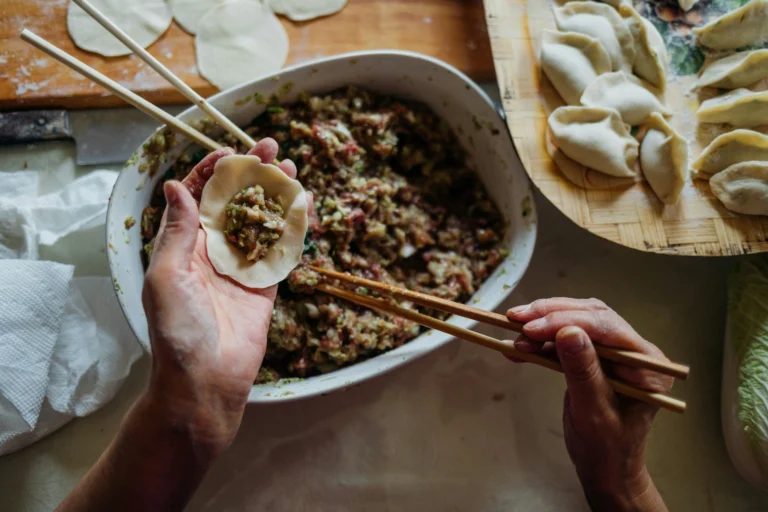
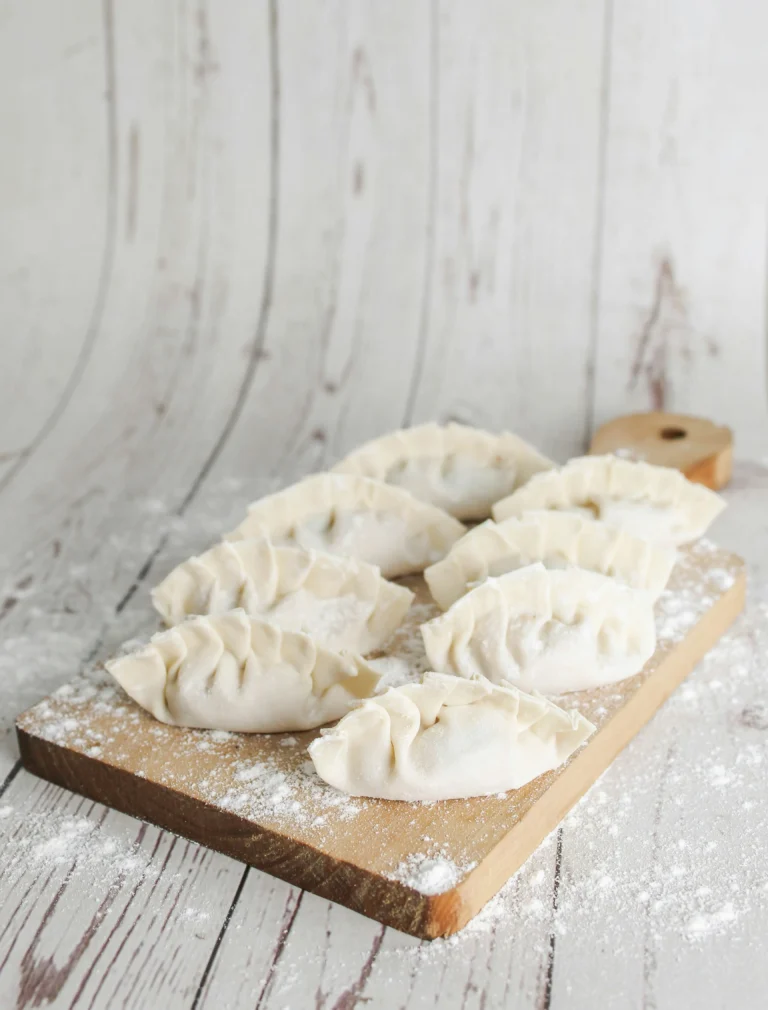
The wrapper is where most dumplings fail. It should be thin enough to be delicate but strong enough to hold the filling without tearing during cooking. The ideal thickness varies by style — xiao long bao wrappers should be almost translucent, while jiaozi wrappers have slightly more body. The tell-tale sign of a poor wrapper is gumminess after cooking: a wrapper that sticks to itself, clumps in the mouth, or has an unpleasant doughy texture.
Handmade wrappers are almost always superior to pre-bought. A kitchen that makes its own dough is a kitchen that cares.
2. The Filling
Great dumpling filling has three qualities: density, moisture balance, and flavour depth. It should be packed tightly — not loose or sparse. It should be moist without releasing excess water during cooking (waterlogged filling is one of the most common failures). And it should taste of something beyond its base ingredient.
The filling-to-wrapper ratio matters enormously. A dumpling that is mostly wrapper with a tiny filling centre is not a great dumpling, regardless of how well the wrapper is made.
3. The Seasoning
Underseasoned dumplings are the most common disappointment in otherwise technically competent restaurants. Pork filling that tastes only of pork. Vegetable filling that tastes only of cabbage. The seasonings — soy sauce, sesame oil, ginger, white pepper, Chinese rice wine — are not optional additions. They are the difference between food that satisfies and food that is merely edible.
The best dumplings have a filling that could stand alone as a dish. If you tasted the filling out of context and it was outstanding, the dumpling will be outstanding.
4. The Cooking Method
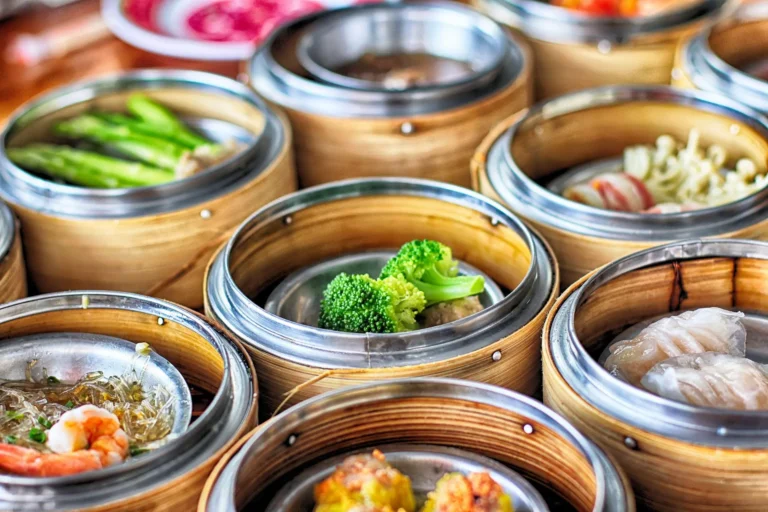
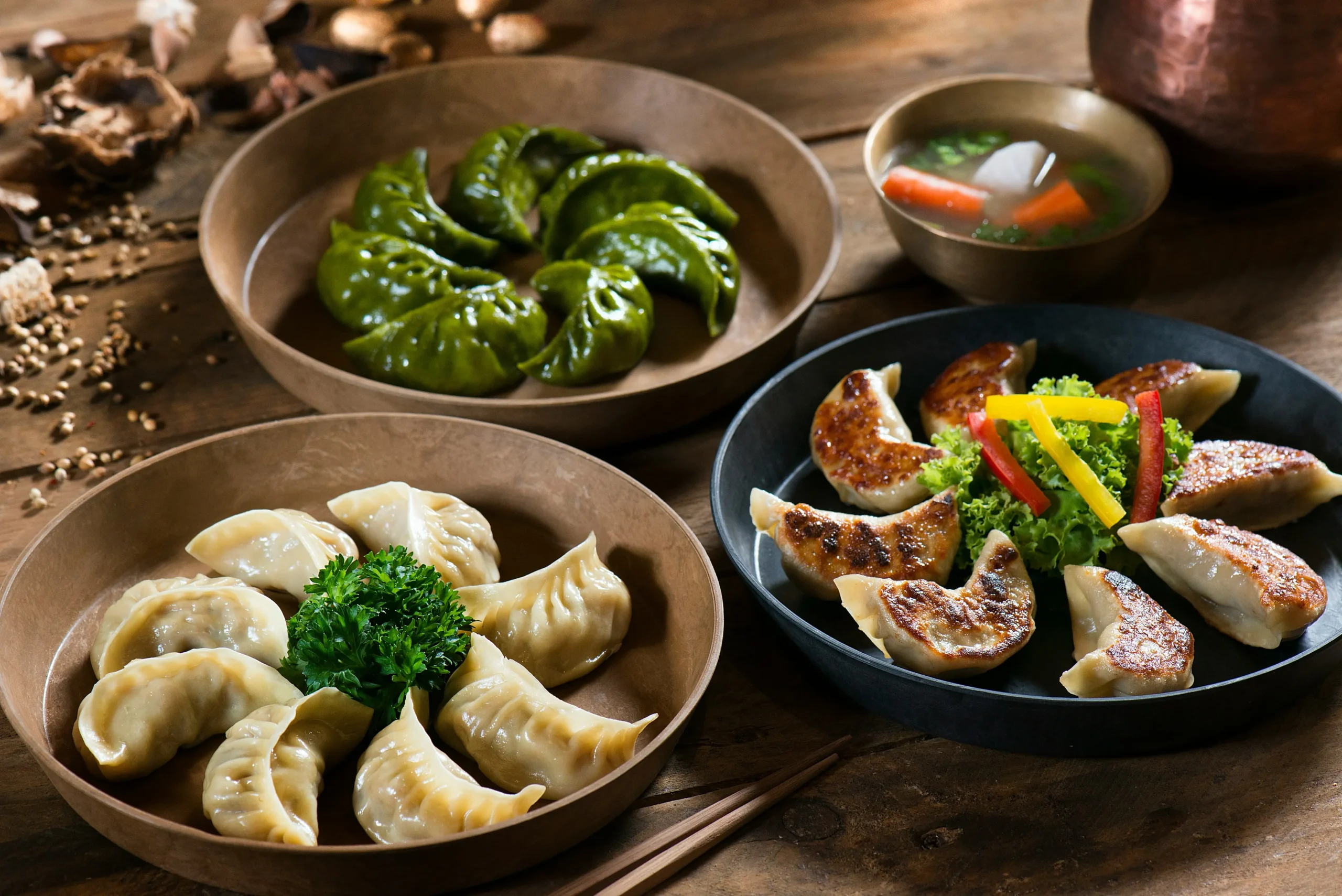
How a dumpling is cooked is as important as how it is made. Steamed dumplings should emerge glossy and tender, never soggy. Pan-fried dumplings (potstickers) should have a golden, crisp base — not pale, not burnt. Boiled dumplings should have wrappers that hold their shape without becoming flabby in the water.
Timing is everything. An overcooked steamed dumpling collapses. An undercooked pan-fried dumpling has a raw, doughy base. The window between perfect and wrong is narrow, which is why consistency matters as much as skill.
5. The Dipping Sauce
Often overlooked, the dipping sauce is the finishing element of a well-made dumpling. Chinese jiaozi are traditionally served with black vinegar and sesame oil — the acidity cuts through the richness of the filling. Japanese gyoza are paired with soy sauce, rice vinegar, and chilli oil. A restaurant that gives you generic sweet chilli sauce with handmade dumplings is a restaurant that has not thought carefully about what they are serving.
The Simplest Test
The simplest way to assess a dumpling: eat the first one plain, with no sauce. If it is good — genuinely good — without any enhancement, you are in a kitchen that knows what it is doing. If it needs the sauce to be interesting, something in the filling or seasoning has been missed.
For our verdict on which Edinburgh restaurants pass this test, see our full Edinburgh dumplings guide.