The History of Dumplings — From Asia to Scotland
The dumpling is one of the oldest foods in human culinary history — a simple concept (filling wrapped in dough) that has been independently discovered and elaborated upon by cultures across the world. From Chinese jiaozi to Georgian khinkali, from Polish pierogi to Japanese gyoza, the impulse to encase something good inside dough and cook it appears to be close to universal. Scotland has its own chapter in this story — and it is still being written.
China: The Origin
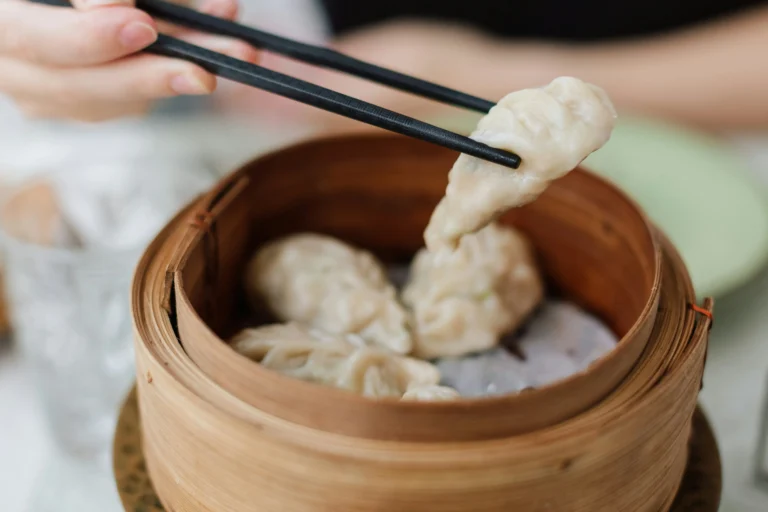
The earliest historical accounts of Chinese dumplings date to the Eastern Han Dynasty (25–220 AD). Legend attributes their invention to Zhang Zhongjing, a physician and scholar, who created crescent-shaped dough parcels filled with warming ingredients to treat villagers suffering from frostbite during winter. Whether or not this origin story is accurate, dumplings had become a significant part of northern Chinese food culture by the Tang Dynasty (618–907 AD).
In northern China, jiaozi became the food of celebration — particularly at Lunar New Year, where their resemblance to the gold and silver ingots of imperial China made them a symbol of wealth and good fortune. Families would gather to make them together, sometimes hiding a coin inside one dumpling for luck. This tradition continues today.
The Silk Road and Global Spread
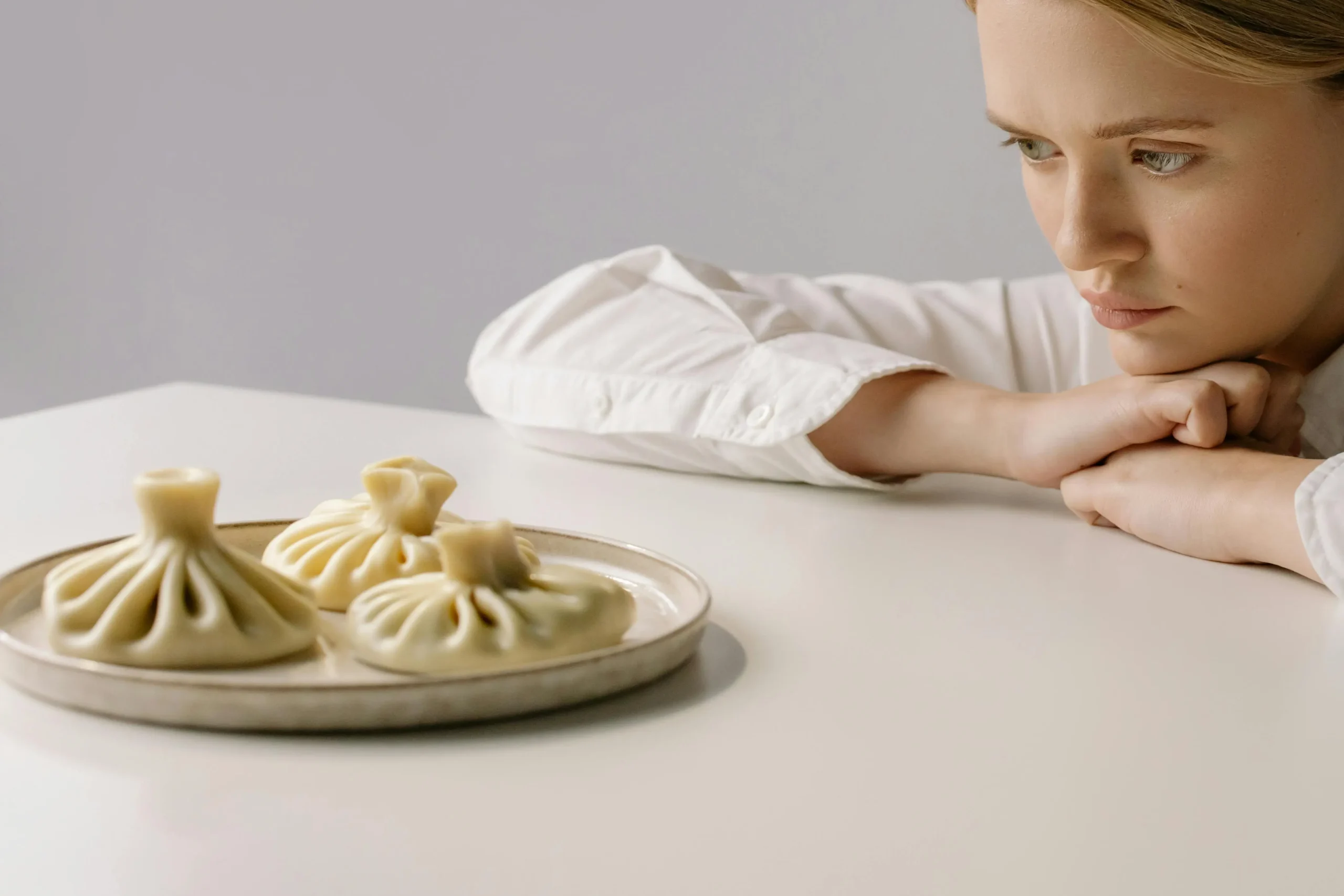
The spread of dumpling culture beyond China followed two routes: trade and migration. The Silk Road — the network of land and maritime trade routes connecting China to Central Asia, the Middle East, and eventually Europe — carried not just goods but culinary ideas. The Georgian dumpling khinkali, oversized and pinched at the top with a distinctive twisted knot, is believed to have arrived in the Caucasus via Mongol traders who encountered Chinese dumplings in the 13th century.
Central Asian manti (large steamed dumplings), Turkish manti (small, densely folded), Korean mandu, and Japanese gyoza all trace their lineage — directly or indirectly — to Chinese jiaozi. Each culture adapted the form to its own ingredients, seasoning traditions, and cooking methods, producing dishes that are today considered indigenous.
Europe’s Own Traditions
Europe developed its own dumpling traditions largely independently of Asia, though the underlying concept is identical. Polish pierogi — boiled dough pockets filled with potato, cheese, mushroom, or meat — emerged as a staple of Polish peasant cooking by the 13th century. Italian tortellini and ravioli are pasta dumplings that evolved from the same logic. German Maultaschen, Spanish empanadas, Scandinavian kroppkakor — across Europe, every cuisine found its own version of dough wrapped around filling.
Scotland’s culinary tradition includes its own dumpling forms: the clootie dumpling — a boiled fruit pudding wrapped in a cloth (cloot) — is a distinctly Scottish preparation that shares the same structural concept as its Asian counterparts, though it arrived there independently.
Dumplings in Modern Scotland
The arrival of Chinese, Japanese, Korean, and other Asian communities in Scotland’s cities from the mid-20th century onwards brought Asian dumpling traditions to Scottish soil. Edinburgh’s Chinese community — particularly the waves of immigration from Hong Kong in the 1980s and 1990s, and more recent arrivals from mainland China — established the first dedicated dumpling restaurants in the city.
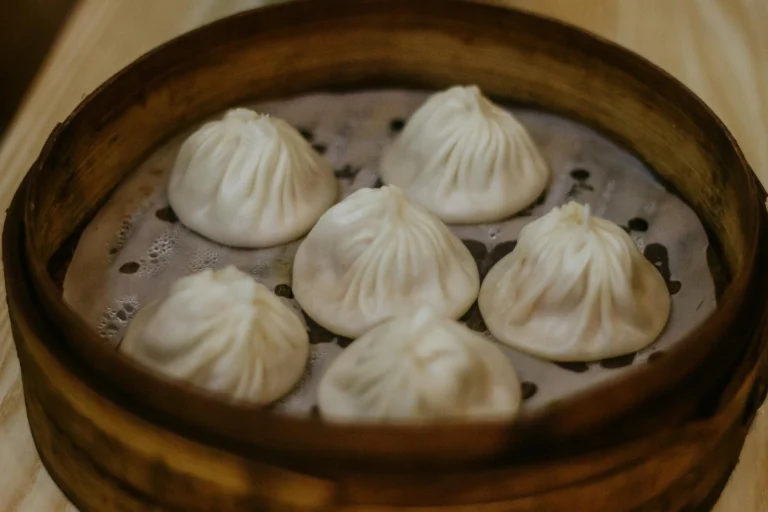
Today, Edinburgh has a dumpling scene that spans at least six dedicated venues, a range of Chinese dumpling styles, Japanese gyoza, Nepali momos, and a nascent tradition of Scottish-Asian fusion that uses local ingredients within Chinese dumpling techniques. The scene is young but serious.
For the full story of what is currently available, see our Best Dumplings in Edinburgh guide and our complete guide to dumpling types.